New to Ortho K?
Find out how Ortho K works, who it may be suitable for and how it can be used for myopia management.
You’ve started Ortho K – here’s exactly how to look after your lenses.
Ortho K Care Guide: Wearing & Caring for Your Lenses
Ortho K lenses are custom-designed contact lenses worn overnight to temporarily reshape the cornea and provide clear vision during the day. Looking after your lenses correctly is an important part of successful and safe Ortho K treatment. This guide explains how to insert, remove, clean and store your lenses, as well as what to do if you have any concerns.
If you’re ever unsure about your lens care or wearing routine, contact Canterbury Eyecare for advice.
Quick Start Guide
Every night
- Wash and dry your hands thoroughly.
- Clean/disinfect your lenses as instructed.
- Insert your lenses before going to sleep.
Every morning
- Wash and dry your hands.
- Use lubricating drops if advised.
- Remove your lenses carefully.
- Clean and disinfect them according to your prescribed system.
Remember
- Never use tap water on your lenses.
- Never wear a damaged lens.
- Don’t wear your lenses if you’re unwell or your eye is sore, red or irritated.
- Bring your lenses to every appointment.
Ortho K Hygiene and Safety
Orthokeratology is a reversible vision correction option that can be effective when lenses are appropriately fitted and patients follow their prescribed wearing and care routine. As with all contact lens wear, Ortho K carries a risk of complications, including eye infection. Risk factors for acquiring an eye infection include improper lens cleaning, improper disinfection, poor hygiene practices and smoking. Wearing contact lenses increases the risk of eye infection compared to wearing spectacles, with the risks being 1 per 1,000 wearers per year for overnight orthokeratology lenses. Following your Optometrists hygiene regime, along with regular reviews, will minimise this risk.
Always wash your hands
Wash your hands thoroughly with soap and water and dry them with a clean, lint-free towel before handling your lenses. Make sure to clean all parts of your hands including between the fingers and dry thoroughly. Avoid contact with creams, lotions and oily cosmetics prior to handling your lenses.
Keep lenses away from water
Do not rinse, soak or store Ortho K lenses in tap water. Water can contain microorganisms that can cause serious eye infections. Only use lens solutions and eye drops your Optometrist has recommended for Ortho K wear.
Don’t wear damaged lenses
Inspect your lenses regularly and do not wear chipped or cracked lenses as these may cause discomfort and pain. These can provide surfaces for protein and bacteria to grow on that can be difficult to remove. If you are unsure whether your lenses are damaged, ask your optometrist to inspect them. To avoid damaging your lenses, handle them with your fingertips, and be careful to avoid contact with your fingernails. Do not use tweezers.
Don’t wear lenses when your eye is irritated or you are unwell
If your eye is sore, red or uncomfortable, or you’re unwell, don’t wear your lenses. Do not be concerned at missing one or two nights of treatment – persisting when you have a sore or irritated eye is dangerous. Contact us if symptoms persist or you have concerns.
Know the warning signs
Contact Canterbury Eyecare promptly if you experience significant pain, light sensitivity, burning, stinging, discharge or persistent redness after removing your lenses.
Your Ortho K appointment schedule and expected outcomes
Lens delivery: Your lenses are fitted and you’ll learn how to insert and remove them.
First review the next morning: We review your eyes and vision after your first night of Ortho K wear. Some improvement in vision is expected, although results vary between individuals.
Second review one week later: We assess your vision, eye health and lens fit as you adjust to treatment. Vision should continue to improve as you adjust to treatment.
Third review after one month of wear: We assess your progress and make any necessary adjustments to the lens fit or prescription.
Your optometrist may recommend additional appointments depending on your individual treatment and progress. The lenses have an adjustment warranty for a limited time, please attend to see your us if you’re having any trouble in between recommended reviews.
Important Ortho K Guidelines
Lenses
- Your lenses are coloured to correspond to each eye, the left eye is always tinted blue.
Eye Drops
- Use non-preserved lubricant drops when you have Ortho K lenses in or when you’re inserting/removing them. Brand recommendations of non-preserved drops are Hylo-Fresh and Hylo-Forte.
Cleaning
- Clean and disinfect the Ortho-K lenses each morning as directed, do not use tap water to soak, rinse or moisten your lenses.
Back up vision correction
- We recommend a spare pair of lenses to ensure treatment is not compromised if disrupted by discontinued wear due to a lost or damaged lens.
- Additionally, keep a pair of up to date spectacles in case you’re unable to wear the lenses for an extended period of time.
Wearing
- Aim to wear the lens for 6-8 hours whilst sleeping for optimal visual outcome. However, do not wear your Ortho K contact lenses during daytime hours, or for extended periods of reading before bed.
Appointments
- Bring your Ortho-K lenses to every appointment.
Ortho K insertion and removal video
Insertion
- Wash and thoroughly dry your hands
- Remove your lenses from the cleaning solution case. If you are using a hydrogen peroxide solution, remember you can only remove the lenses after a minimum soaking time of six hours. If your lenses need to be rinsed use Menicare Plus or Saline.
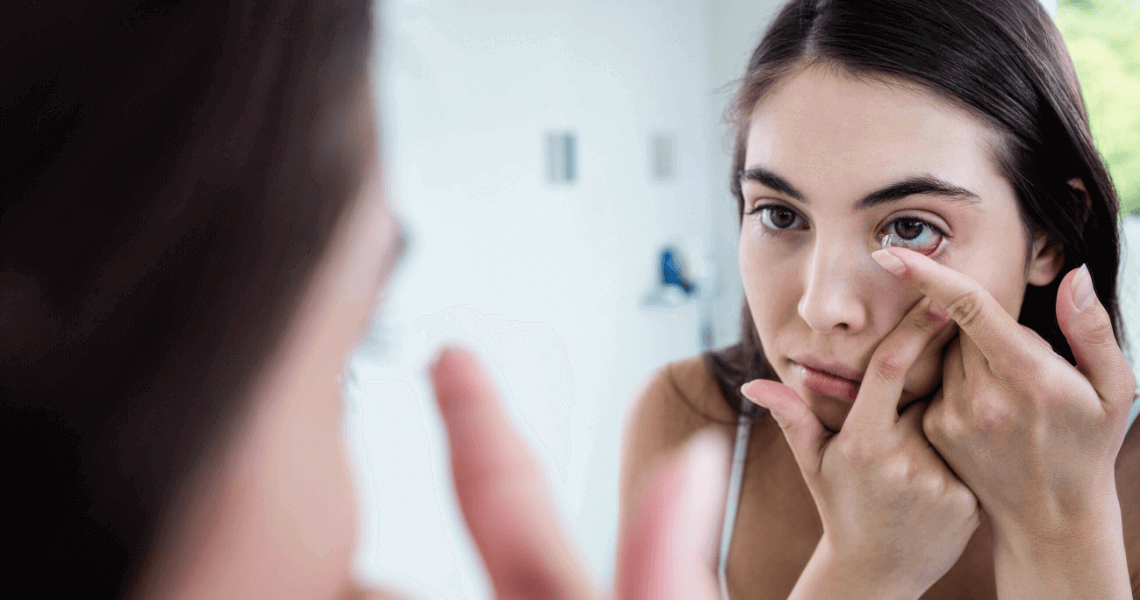
- Place the lens on your finger or insertion tool.
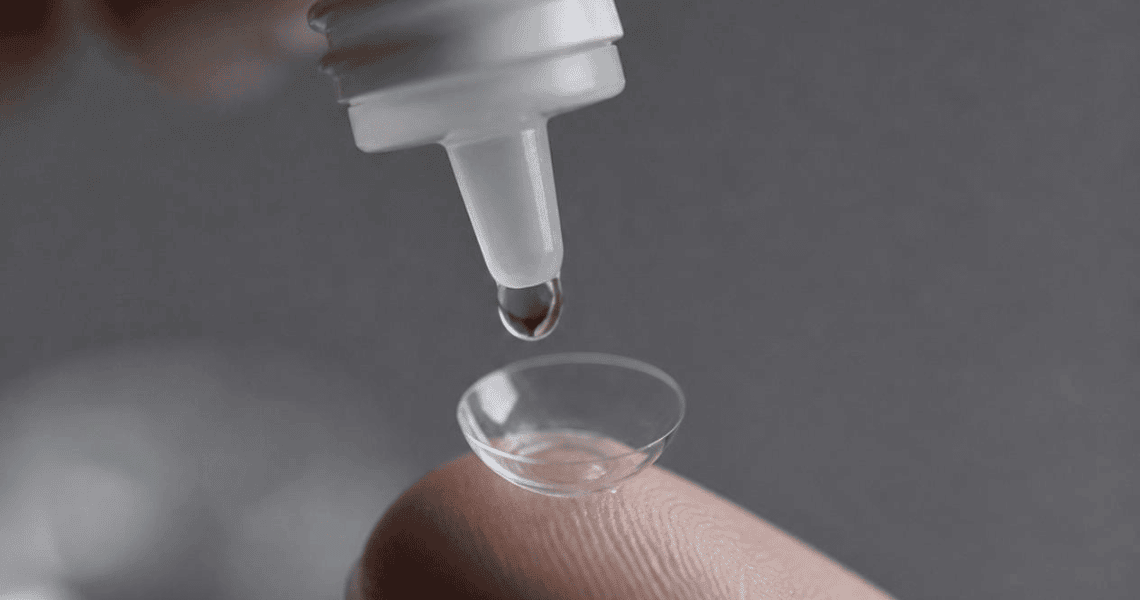
- Add 2-3 drops of Hylo-Forte or Hylo-Fresh lubricating drops to the bowl of the lens.
- Lean over a mirror flat on the table in front of you.
- Pull your lower eyelid back and open with the ring finger of same hand you have holding the lens. Use your other hand to pull back your top eyelid open.
- Insert the lens directly onto the coloured part of your eye, without tilting the lens and losing any lubricating drops.
- Gently release your eyelids and close your eye.
- Check the lens is positioned correctly and comfortable.
To save confusion, it is a good idea to insert the same lens first everytime, usually your right.
Removal
Regardless of removal method the first two steps are the same:
- Check the lens is positioned on the cornea, over the coloured part of the eye.
- Apply lubricating drop to the eye and have a few blinks, ensuring the lens is moving with each blink.
Method 1 – Suction/Plunger tool
- Using your middle fingers, open the eyelids wider than the lens diameter.
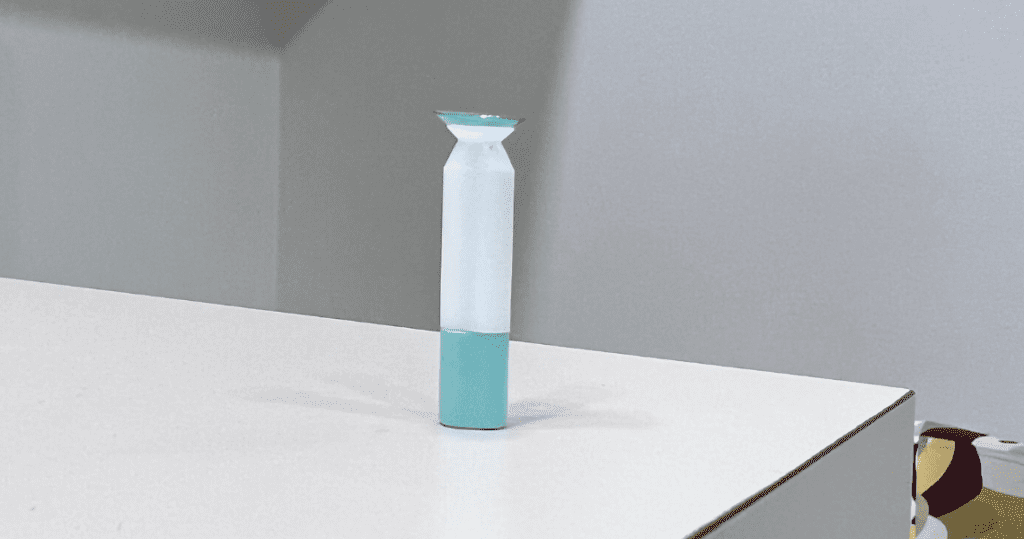
- With the suction tool between your index finger and thumb, align the suction cup so it is positioned in front of and parallel to the lens.
- When the suction cup touches the lens, apply gentle pressure to adhere the lens to the cup and remove the lens from your eye.
- After removal from the eye, carefully squeeze the tool and slide the lens sideways from the suction cup to remove it.
Method 2 – Manual Removal
- Using your middle fingers, open the eyelids wider than the lens diameter
- Apply pressure to the eyelid margins, pushing in together to move your lids under the edge of the lens and lever it out of the eye.
- Sometimes holding the lower eyelid firm and pushing with the upper eyelid helps to catch the lens edge before popping it out.
Dislodged Lens
Occasionally, an Ortho K lens may move away from the centre of the cornea. This can be uncomfortable and may affect your vision.
If this happens, don’t panic. Follow the steps below to reposition or remove the lens. If you’re unable to reposition or remove the lens, or if you experience pain or ongoing discomfort, contact Canterbury Eyecare. To troubleshoot a dislodged lens:
- Look in a mirror to establish where the lens has moved to.
- Move your eyes in a direction away from where the lens is located. For example, if the lens is on the white of your eye nearest to your nose, look towards your ear.
- Gently nudge the lens back to the centre of your eye using your eyelids. Avoid directly pushing the lens with your fingers as this can damage the surface of your eye.
- Alternatively, remove the lens using your suction tool and reinsert correctly.
Cleaning
If you drop your lens
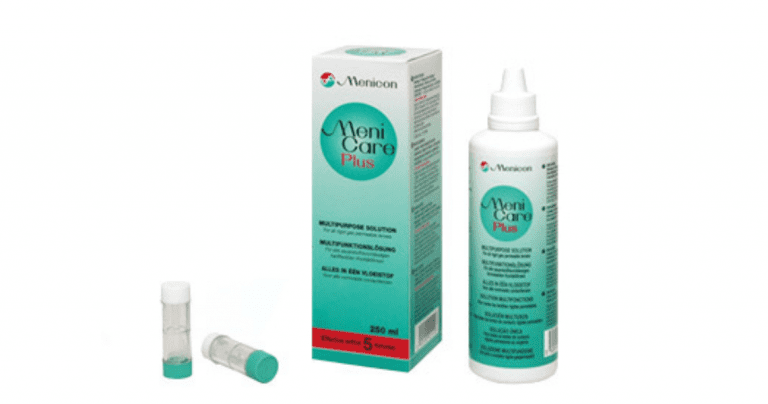
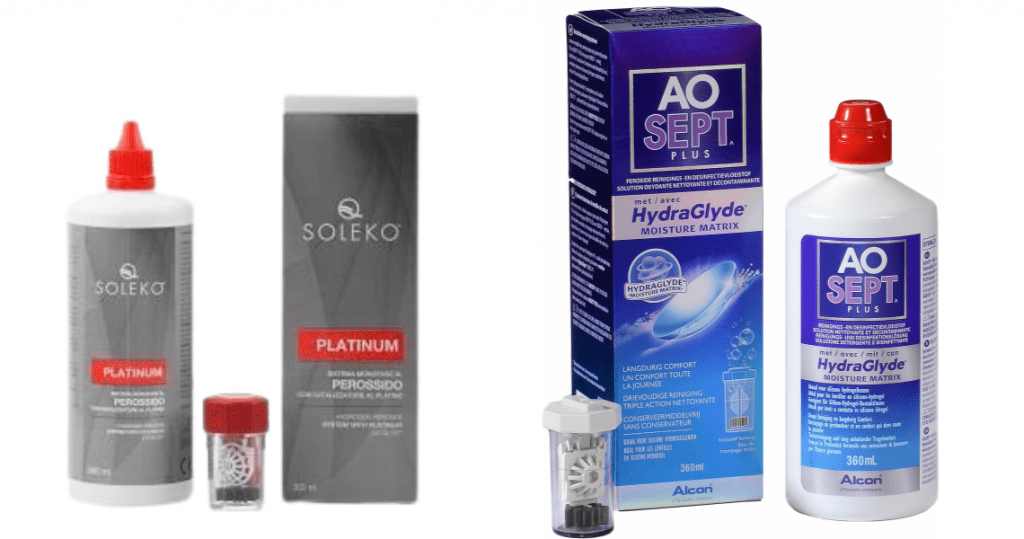
Use Menicare Plus (White Lid) if you need to clean the lenses due to having dropped them. If you are coming in for an appointment, clean and store for short periods with this solution in the associated (pictured) lens case.
To clean with Menicare Plus:
- Whilst holding the lens in the tips of your fingers, apply a few drops of Menicare Plus to the lens and rub gently for 30 seconds.
- Alternate each thumb to rub back and forth whilst turning the lens clockwise ensuring the inside of the lens is thoroughly massaged with medium pressure.
- Rinse the lens with Menicare Plus solution for 5-10 seconds.
Daily Cleaning and Disinfection
Daily cleaning can be done with a AO Sept or Platinum Peroxide (Red Lid) cleaning systems. These consist of a hydrogen peroxide solution, the cleaning agent, and a specialised contact lens case with an inbuilt neutralising component. After 6 hours the liquid is converted (neutralised) into saline, it is then safe to insert the lenses into the eyes.
To clean with AO Sept or Platinum Peroxide:
- Place the lenses into their associated cage and fill the solution up to the line in the case.
- Close the lid tightly, the solution will start to fizz.
- Leave for 6 hours (at least) in the container to allow time for the neutralising agent to work.
WARNING: Hydrogen Peroxide Solutions
Never put hydrogen peroxide solution directly into your eye. Lenses must remain in the appropriate neutralising case for the full recommended neutralisation time before they are inserted into your eyes. Do not rinse your lenses with unneutralised hydrogen peroxide.
Intensive Cleaning
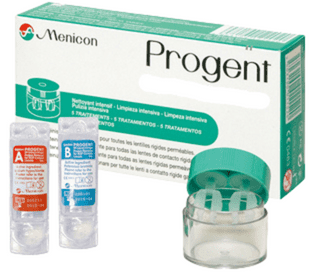
To clean and maintain the wettability of your lenses use intensive cleaner, such as Menicon Progent, as recommended by your optometrist, usually monthly.
To use Menicare Progent:
- Place the lenses into the contact lens case holders.
- Open vial A and B by twisting the cap and pour the contents into the contact lens case.
- Replace the lid and tighten.
- Leave the lenses in the solution for 30 minutes, then remove and rinse thoroughly with Menicare Plus.
- Lenses can now be worn or put in daily cleaner.
Changing Cases
Your lens case can become a source of contamination if it isn’t cleaned and replaced regularly. When your case is empty it should be vigorously rubbed dry with a clean tissue and air dried to discourage bacterial growth. Cases should be changed regularly, change to a new case every time you open a new bottle of cleaning solution.
When should I contact Canterbury Eyecare?
Contact us promptly if you experience:
- significant eye pain
- persistent redness
- light sensitivity
- discharge
- burning or stinging that doesn’t settle
- a sudden change in vision
- difficulty removing a lens
- a damaged or cracked lens
- ongoing discomfort with your lenses
If you have significant eye pain or a sudden change in vision, remove your lens and seek urgent professional care.
For urgent eye problems outside Canterbury Eyecare’s opening hours, contact the Royal Victorian Eye and Ear Hospital on (03) 9929 8666.